 Clothing
 Motorcycle parts
 Scooter / Chinese ATV parts
 Mini car parts
 Water transport parts
 Bicycle / Kick scooter parts
 Accessories
 Liquids
 Motorcycle tyres
 Service / Maintenance equipment
 Gift coupons
 Clothing rental
 Sale
Sale
 lt
lt en
en

 Search by model


Brakes are one of the most important safety systems on a motorcycle. However, many riders only think about them when they start hearing noises, feeling vibrations, or noticing reduced braking performance. Brake pads and discs wear down gradually, so it’s crucial to recognize the early signs that it’s time to replace these components.
Properly functioning brakes ensure shorter stopping distances, more stable bike control, and greater confidence on the road. Understanding when to replace brake pads, front brake discs, or rear brake discs is not just a technical matter—it’s a matter of safety.
The first signs that brake pads are worn
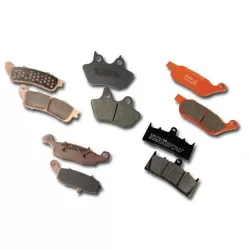
One of the earliest warning signs is sound. If you hear squealing or grinding when braking, it may mean that your brake pads are reaching the end of their lifespan. When pads become too thin, the metal backing can come into contact with the disc—this is not only noisy but also dangerous.
Another important sign is a longer stopping distance. If you notice that your motorcycle doesn’t slow down as effectively as before, the pads may no longer be generating enough friction. Delaying replacement in such cases can lead to more expensive repairs later on.
When should brake discs be replaced?
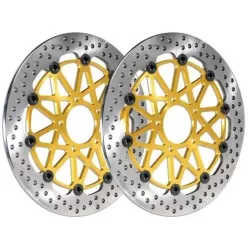
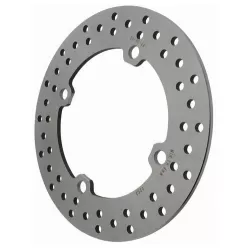
Front brake discs and rear brake discs also wear out, although more slowly than pads. The surface of the discs should remain smooth. If you see deep grooves, uneven wear, or feel vibration while braking, this is a clear indication that the discs may be damaged.
Vibration during braking often means the disc has warped due to overheating. This reduces braking precision and can lead to dangerous situations, especially at higher speeds.
How to check the condition of your brakes
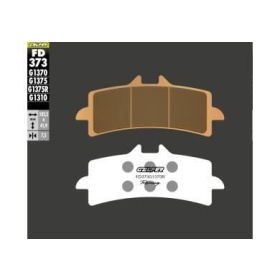
Regular visual inspection can help prevent serious issues. Check the thickness of the pads—if the friction material is very thin, it’s time for a replacement. Discs should not have pronounced scratches or blue discoloration, which can indicate overheating.
It’s also important to pay attention to the feel of the brake lever. If it becomes soft or requires more pressure than usual, this may indicate not only worn pads but also issues within the overall braking system.
Riding style and brake wear
The lifespan of braking components depends heavily on riding style. Aggressive braking, frequent city riding, or riding in mountainous areas causes brake pads and discs to wear faster. On the other hand, smooth riding and anticipating stops can help keep the braking system in good condition for longer.
Weather conditions also play a role. Riding in rain or on dirty roads accelerates wear because moisture and debris affect the braking surfaces. After an intense riding season, it’s a good idea to perform a thorough brake system inspection.
Why you shouldn’t delay replacement
Worn brake pads and discs not only reduce braking performance but can also damage other components of the system. For example, if pads are not replaced in time, they can damage the discs, leading to more costly repairs.
Road safety often depends on split seconds. Well-functioning brakes can make the difference between a safe stop and a dangerous situation.
Conclusion
Brake pads, front brake discs, and rear brake discs are components that directly affect your safety. By regularly checking for wear and replacing parts on time, you can avoid more expensive repairs and ensure smooth, safe riding.
If you’ve noticed the first signs of wear—don’t wait. Investing in quality brake components is always an investment in your safety.