 Clothing
 Motorcycle parts
 Scooter / Chinese ATV parts
 Mini car parts
 Water transport parts
 Bicycle / Kick scooter parts
 Accessories
 Liquids
 Motorcycle tyres
 Service / Maintenance equipment
 Gift coupons
 Clothing rental
 Sale
Sale
 lt
lt en
en

 Search by model


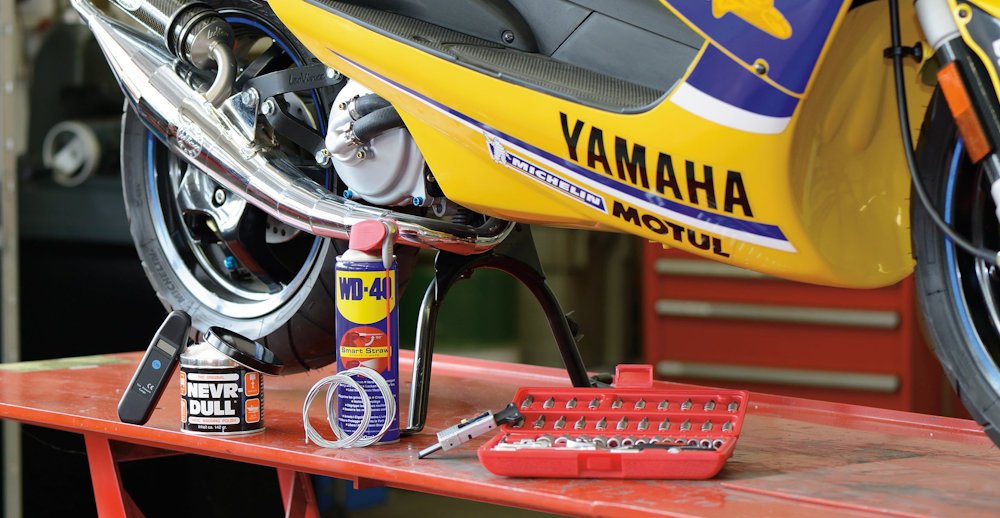
A scooter often becomes a daily workhorse: commuting to work in the morning, running errands during the day, and heading into the city or out to the lake on weekends. When it starts making unusual noises, becomes harder to start, or feels unstable in corners, the most common reason is naturally worn scooter parts. The good news is that most issues can be solved faster than you might expect—once you know where to start and how to choose the right components.
The most common situations when scooter parts are needed
If you want to save time and money, it’s worth paying attention to the signals your scooter gives before a serious breakdown occurs:
- Vibration in the handlebar area or throughout the frame—often related to chassis parts.
- Unusual knocking sounds over bumps—may indicate worn shock absorbers, joints, bearings, or other components.
- Flickering lights, weaker illumination, or uneven operation—clear signs that electronic parts may need replacement.
- Cracked body panels after a fall or due to constant vibration—initially cosmetic, but eventually practical, as moisture and dirt can reach internal components.
The sooner you react, the simpler your scooter repair will be—sometimes replacing a single part is enough to restore both comfort and safety.
Chassis parts: comfort and control in every corner
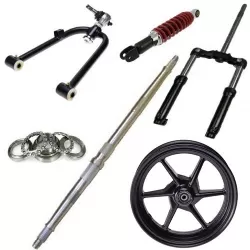
The chassis is where every road imperfection becomes noticeable. Worn chassis parts not only reduce riding comfort but also increase braking distance and compromise stability. If your scooter feels “soft” in corners or transmits sharp impacts directly to your hands, it’s time to inspect the shock absorbers, bearings, mounting points, and steering components.
Practical tip: when replacing one side (for example, a bearing or shock absorber), it’s often wise to check the opposite side as well—this helps avoid having to dismantle everything again a few weeks later.
Electronic parts: when a problem seems “mysterious” but the solution is simple
Modern scooters rely on electronics for more than just lighting. Starting, charging, alarms, and sensors all depend on components that age due to moisture, vibration, and temperature changes. Common symptoms include difficulty starting in cold weather, a sluggish starter, or dimming lights when stopped at intersections.
In these situations, new electronic parts often provide a straightforward fix—from simple switches and bulbs to critical components that restore consistent performance. To minimize guesswork, start with the basics: battery condition, clean contacts, and secure wiring connections—this is where many “intermittent” issues hide.
Body parts: not just looks, but protection
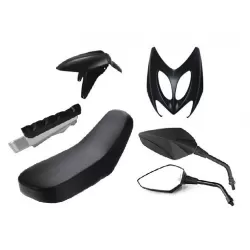
Bodywork is often underestimated—until it starts rattling, cracking, or catching wind. Well-fitted scooter body parts protect internal components from water, dirt, and UV exposure. Properly aligned panels also reduce vibrations, helping other parts last longer.
If your scooter is used daily, refreshing the bodywork is one of the fastest ways to restore a “like-new” feel—while also protecting key components.
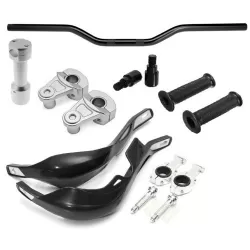

How to choose parts for a smooth scooter repair
When searching for scooter parts, the most common mistake is buying “by eye.” To avoid this, three simple steps are enough:
- Identify the model: brand, engine size, year, and ideally the VIN or exact variant.
- Describe the symptom: does the issue appear only in cold weather, during braking, or over bumps? This quickly points you toward the right category (chassis or electronics).
- Choose by quality and purpose: daily commuting requires durability; seasonal riding may allow for simpler solutions.
For confident purchasing, select parts by category: chassis parts for stability, electronic parts for reliable starting and lighting, and body parts for protection and clean looks. This turns scooter repair from a gamble into a clear plan.
Conclusion: a small upgrade makes a big difference
A scooter rewards you with smooth, quiet, and safe riding when its components are in good condition. If you’ve noticed the first warning signs, don’t delay. Properly chosen scooter parts usually mean one thing: fewer surprises on the road and more enjoyable miles.
If you’re deciding where to start today, explore the categories above—bodywork, chassis, handlebars, and electronics. That’s often where the fastest and most effective solutions are found when you want your scooter to ride the way it should.