 Clothing
 Motorcycle parts
 Scooter / Chinese ATV parts
 Mini car parts
 Water transport parts
 Bicycle / Kick scooter parts
 Accessories
 Liquids
 Motorcycle tyres
 Service / Maintenance equipment
 Gift coupons
 Clothing rental
 Sale
Sale
 lt
lt en
en

 Search by model


For many riders, spring means getting back on the road — but the first attempt to start a motorcycle after winter isn’t always successful. If your motorcycle won’t start, it doesn’t necessarily mean a serious failure. Most often, the issue is related to long storage, temperature changes, or natural component wear.
During winter, a motorcycle is exposed to moisture, cold, and inactivity. As a result, the battery may weaken, fuel deposits can form, and electrical contacts may deteriorate. To start the season without stress, it’s worth checking a few key components.
1. Battery — the most common post-winter issue
If you turn the key and hear only a faint click or notice the dashboard dimming, a discharged battery is likely the cause. Even when unused, batteries gradually lose charge during winter storage.
Start by checking the voltage. If it is low, try charging the battery. If it quickly loses charge or fails to hold voltage, it may be time to replace it.
2. Fuel system — old fuel can cause starting problems
Fuel that sits in the tank for long periods loses its properties and can leave deposits. This can clog the fuel system, preventing the engine from receiving the proper fuel mixture.
If your motorcycle won’t start after winter, inspect the fuel condition and fuel filter. If necessary, drain the old fuel and refill with fresh gasoline. This simple step often resolves the issue.
3. Spark plugs — a small component with big impact
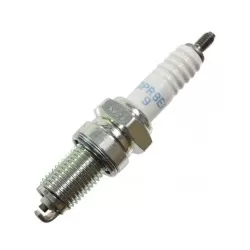
Spark plugs are responsible for initiating combustion. If they are fouled, damp, or worn, the spark may be weak or absent.
Remove the plugs and inspect their condition. If they are covered in carbon deposits or oil residue, clean or replace them. This small investment can solve many starting issues.
4. Ignition coil and electrical contacts
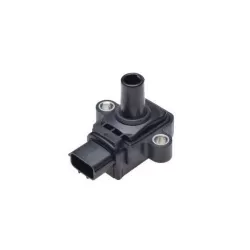
If the battery works but no spark appears, the issue may lie in the ignition coil or electrical connections. Moisture and temperature fluctuations during winter can cause oxidation or poor contact.
Inspect wires, connectors, and the coil condition. Sometimes cleaning the contacts is enough to restore reliable operation.
5. Starter and fuse inspection
If the starter does not respond when you turn the key, check the fuses and starter relay. Moisture or oxidation during winter can reduce electrical conductivity.
Visually inspect the fuses and replace them if necessary. This quick step helps eliminate one of the potential causes.


How to avoid problems next season?
To prevent a situation where your motorcycle won’t start after winter, proper storage preparation is essential. It is recommended to remove and periodically charge the battery, use fuel stabilizer, and store the motorcycle in a dry, ventilated space.
It is also helpful to start the engine briefly every few weeks or at least turn it over with the starter to keep fluids circulating and components in working condition.
When should you consult a professional?
If you have checked the battery, fuel system, spark plugs, and ignition coil but the motorcycle still won’t start, a deeper technical issue may be present. In that case, professional diagnostics are recommended.
Identifying the cause early helps avoid higher repair costs and allows you to get back on the road sooner.
The beginning of spring should be about riding, not repairs. Spending a little time on inspection can prevent unpleasant surprises and ensure your first start of the season is smooth and reliable.