 Clothing
 Motorcycle parts
 Scooter / Chinese ATV parts
 Mini car parts
 Water transport parts
 Bicycle / Kick scooter parts
 Accessories
 Liquids
 Motorcycle tyres
 Service / Maintenance equipment
 Gift coupons
 Clothing rental
 Sale
Sale
 lt
lt en
en

 Search by model


A motorcycle ride should feel smooth and predictable, so any jerking or uneven engine response can quickly ruin the riding experience. If your motorcycle jerks during acceleration, steady cruising, or deceleration, it’s a clear sign that one of the systems isn’t functioning as it should.
In most cases, the problem is not a single component but the entire combustion chain — from the fuel system to the ignition system or air intake system. Identifying the cause early helps prevent more serious damage and restores smooth engine performance.
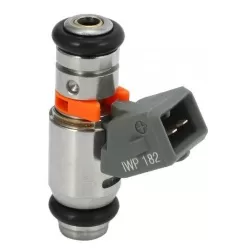
1. Clogged fuel injectors
One of the most common causes of jerking is clogged fuel injectors. They are responsible for delivering fuel precisely into the combustion chamber. When injectors become dirty, fuel delivery becomes uneven, causing unstable engine operation.
This issue is often caused by low-quality fuel or long periods of storage. The solution may include using a fuel system cleaner or performing professional injector cleaning.
2. Fuel system issues
Improper fuel delivery can cause the engine to “starve.” A clogged fuel filter, worn fuel pump, or air entering the system may prevent the fuel system from operating efficiently.
If the motorcycle jerks more noticeably during acceleration or at higher RPMs, checking the fuel filter and fuel pressure is recommended. Regular maintenance helps prevent such problems.
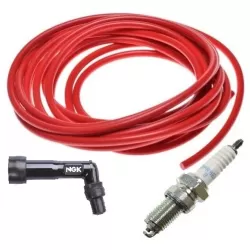
3. Ignition system faults
A weak spark — or no spark at all — can cause incomplete combustion. The ignition system includes spark plugs, ignition coils, and electrical connections. If any of these components fail, the engine may jerk or misfire.
Worn spark plugs or damaged coils often cause power loss and vibration. Replacing spark plugs regularly and checking electrical connections helps maintain stable engine performance.
4. Air intake system problems
The engine requires the correct air-to-fuel mixture to run smoothly. If the air intake system is not functioning properly, the mixture may become too rich or too lean, leading to jerking.
Common causes include a clogged air filter or intake leaks. A clean air filter allows the engine to “breathe” properly and operate efficiently.
5. Electronic sensor malfunctions
Modern motorcycles rely on various sensors to regulate fuel injection and ignition timing. A faulty throttle position sensor or airflow sensor may send incorrect data, causing the engine to run unevenly.
If the issue appears suddenly without obvious mechanical symptoms, diagnostic testing and electronic system inspection are recommended.
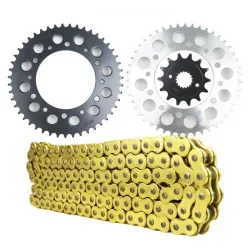
6. Chain or drivetrain influence
Sometimes jerking is not engine-related. A loose chain or worn drivetrain components can cause sudden jolts during acceleration.
Check chain tension and sprocket condition. Smooth power transfer is essential for a comfortable ride.

How to prevent jerking in the future?
Preventive maintenance helps avoid most issues. Replace filters regularly, use quality fuel, inspect spark plugs, and ensure the air intake system remains clean.
Periodic diagnostics are also important, especially if the motorcycle is used intensively. Early detection prevents costly repairs and ensures reliable performance.
Why is it important to act quickly?
If your motorcycle jerks, it is more than a comfort issue. Uneven engine operation increases component wear and can reduce safety on the road.
Fixing the cause early restores smooth riding, improves fuel efficiency, and prevents expensive repairs. Pay attention to the symptoms — your motorcycle will reward you with reliable performance.